About Our Lentils
ARM River Farming Co. Ltd. specializes in growing premium lentils that are sought after in both domestic and international markets. As a pulse crop, lentils play a vital role in our crop rotation system while providing protein-packed, nutrient-rich harvests that meet the highest quality standards.
Saskatchewan is the world's largest exporter of lentils, and our region's unique climate and soil conditions make it ideal for producing exceptional quality pulse crops. We grow red, green, and specialty lentil varieties, each carefully selected for their market demand and growing characteristics.
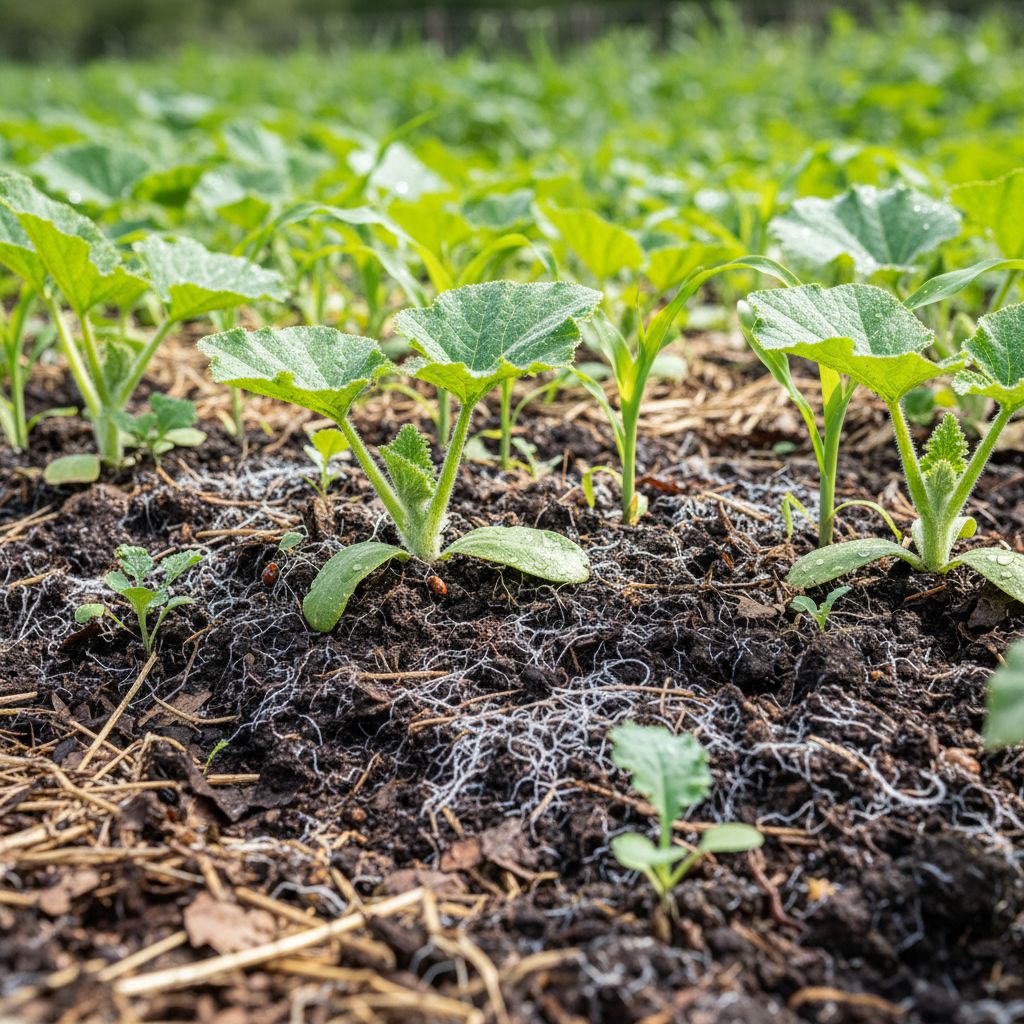
Lentils are not only nutritious for consumers but also beneficial for our soil. As legumes, they naturally fix nitrogen from the atmosphere, enriching the soil for subsequent crops and reducing our reliance on synthetic fertilizers. This makes lentils a cornerstone of our sustainable farming practices.
| Specification | Details |
|---|---|
| Variety Types | Red, Green, and Specialty Lentils |
| Protein Content | 24% - 28% |
| Fiber Content | 10% - 15% |
| Moisture Content | 13% - 14% at harvest |
| Grade | No. 1, No. 2, and Extra No. 3 |
| Primary Uses | Human consumption, soups, dal, salads, protein products |
Why Choose Our Lentils?
- High Protein Content: Excellent plant-based protein source for vegetarian and vegan diets
- Rich in Nutrients: High in iron, folate, fiber, and essential minerals
- Clean Quality: Minimal splits, foreign material, and discoloration
- Uniform Size: Consistent seed size for optimal cooking and processing
- Soil Enrichment: Naturally fixes nitrogen, improving soil health
- Export Quality: Meets international standards for global markets
- Sustainable Production: Requires less water and fertilizer than many crops
From Seed to Harvest
Spring Seeding (May): Lentils are seeded in late spring when soil temperatures reach optimal levels. We use certified seed and precision seeding equipment to achieve proper plant populations. Seed inoculation with rhizobium bacteria ensures effective nitrogen fixation.
Early Growth (June): During the vegetative stage, lentils develop their root system and begin nitrogen fixation. We monitor for early-season pests and diseases, applying integrated pest management strategies to protect crop health while minimizing chemical inputs.
Flowering & Pod Development (July): The flowering period is critical for yield determination. Adequate moisture during this stage is essential for pod set and seed development. We carefully manage crop nutrition to support optimal pod fill.
Maturation & Harvest (August-September): Lentils are typically harvested using straight-cut or swathing methods, depending on crop conditions. Timing is crucial to minimize seed loss and maintain quality. We use specialized equipment to handle the delicate crop and preserve seed integrity.
Red Lentils
Red lentils are our most popular variety, prized for their quick cooking time and mild, slightly sweet flavor. They're commonly used in Indian dal, Middle Eastern dishes, and soups. Red lentils split easily and cook down to a creamy consistency, making them ideal for purees and thick soups.
Green Lentils
Green lentils maintain their shape better during cooking and have a slightly peppery flavor. They're perfect for salads, side dishes, and recipes where texture is important. Green lentils are particularly popular in European and North American markets.
Specialty Lentils
We also grow specialty varieties including French green lentils (Le Puy style) and black beluga lentils for niche markets. These premium varieties command higher prices and are sought after by gourmet food producers and high-end restaurants.
Perfect For:
- Soups, stews, and dal preparations
- Salads and side dishes
- Vegetarian and vegan protein products
- Baby food and nutritional products
- Flour production for gluten-free baking
- Export to India, Turkey, Bangladesh, and other markets
- Plant-based meat alternatives
Health Benefits
Lentils are a nutritional powerhouse, offering exceptional health benefits. They're an excellent source of plant-based protein, making them ideal for vegetarian and vegan diets. One cup of cooked lentils provides approximately 18 grams of protein and 16 grams of dietary fiber.
Rich in iron, folate, potassium, and B vitamins, lentils support heart health, digestive health, and sustained energy levels. Their low glycemic index makes them suitable for diabetic diets, and they're naturally gluten-free. Lentils are also high in antioxidants and have been linked to reduced risk of chronic diseases.
Environmental Benefits
Lentils are one of the most sustainable crops we grow. As legumes, they form symbiotic relationships with soil bacteria that convert atmospheric nitrogen into plant-available forms. This natural process can add 40-80 pounds of nitrogen per acre to the soil, reducing fertilizer needs for subsequent crops.
Lentils also require significantly less water than many other protein sources, including animal agriculture. Their deep root systems improve soil structure and help prevent erosion. By including lentils in our crop rotation, we break disease and pest cycles, reduce chemical inputs, and maintain long-term soil health and productivity.