About Our Canola
ARM River Farming Co. Ltd. grows premium oil-seed canola with exceptional nutritional profiles and high oil content. Our canola is cultivated using sustainable farming practices that prioritize crop rotation, soil health, and environmental stewardship.
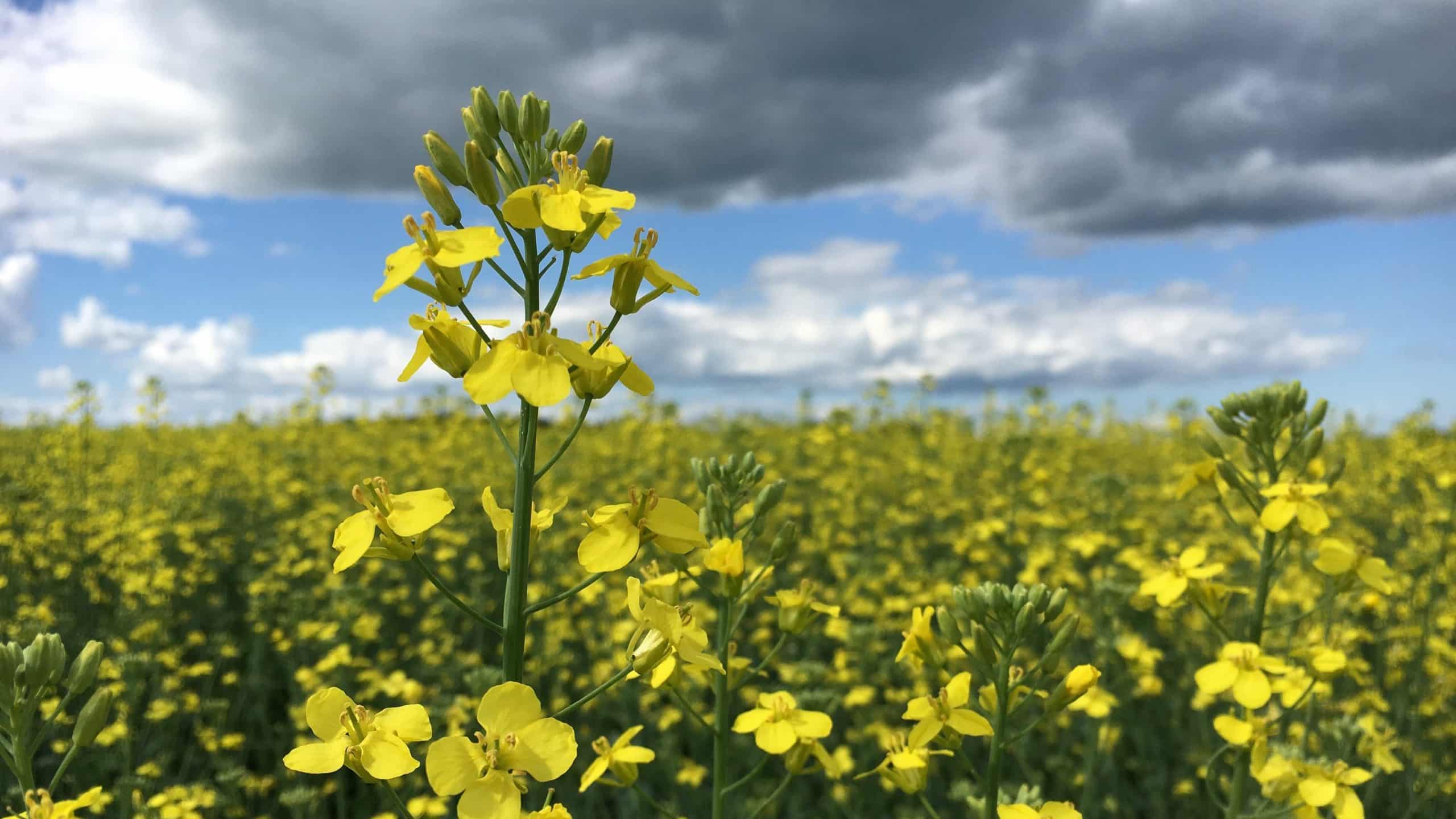
Canola is one of Saskatchewan's most important crops, and our region's climate provides ideal growing conditions. The bright yellow canola fields that blanket our landscape each summer are not just beautiful - they represent a crop that's rich in healthy omega-3 fatty acids and low in saturated fats.
We grow both conventional and herbicide-tolerant canola varieties, selected for their yield potential, oil quality, and disease resistance. Our precision farming approach ensures optimal plant populations and nutrient management throughout the growing season.
| Specification | Details |
|---|---|
| Variety Types | Conventional & Herbicide-Tolerant |
| Oil Content | 42% - 46% |
| Protein Content | 18% - 22% |
| Moisture Content | 8% - 10% at harvest |
| Grade | No. 1 & No. 2 Canada |
| Primary Uses | Cooking oil, biodiesel, animal feed meal |
Why Choose Our Canola?
- High Oil Content: Superior oil yield for cooking oil and biodiesel production
- Healthy Fatty Acid Profile: Rich in omega-3s and low in saturated fats
- Excellent Crush Quality: Optimal for oil extraction and meal production
- Clean Seed: Minimal green seed and foreign material
- Sustainable Production: Grown with crop rotation and soil conservation practices
- Versatile Applications: Suitable for food, fuel, and feed industries
- Non-GMO Options: Conventional varieties available upon request
From Seed to Harvest
Spring Seeding (April-May): Canola is one of the first crops we seed in spring. We use certified seed and precision seeding equipment to achieve optimal plant populations of 5-7 plants per square foot. Proper seeding depth and seed-to-soil contact are critical for uniform emergence.
Early Growth (May-June): During the rosette stage, canola develops its root system and leaf canopy. We monitor for flea beetles and other early-season pests, and apply integrated pest management strategies as needed.
Flowering (June-July): The spectacular yellow flowering period lasts 2-3 weeks. This is a critical time for pollination and pod development. We ensure adequate moisture and nutrients during this stage to maximize seed set.
Maturation & Harvest (August-September): As pods mature and seeds change color, we monitor moisture levels closely. Canola is typically swathed when seed moisture reaches 30-35%, then combined after field drying. Proper timing prevents shattering losses and maintains oil quality.
Herbicide-Tolerant Canola
Our herbicide-tolerant varieties offer excellent weed control options and simplified crop management. These varieties feature high yield potential, strong disease resistance, and excellent standability. They're ideal for modern farming operations seeking efficiency and productivity.
Conventional Canola
We also grow conventional (non-GMO) canola varieties for markets that prefer traditional breeding methods. These varieties maintain excellent oil quality and yield potential while meeting specific market requirements for non-GMO certification.
Perfect For:
- Cooking oil and salad oil production
- Margarine and shortening manufacturing
- Biodiesel and renewable fuel production
- Animal feed meal (high protein content)
- Industrial lubricants and bio-based products
- Export markets worldwide
Environmental Benefits
Canola plays an important role in our crop rotation system. As a broadleaf crop, it provides an excellent break from cereal grains, helping to manage disease and pest cycles. Canola's deep taproot improves soil structure and helps break up compaction layers.
The crop also offers environmental benefits beyond the farm. Canola oil is increasingly used in biodiesel production, providing a renewable alternative to fossil fuels. The meal left after oil extraction is a valuable, high-protein animal feed, ensuring nothing goes to waste.